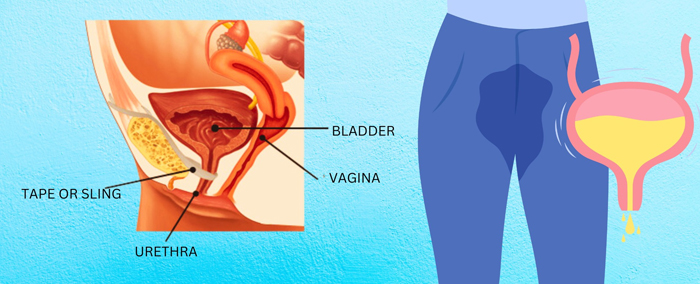
Urinary leakage, medically known as urinary incontinence, is the involuntary loss of urine. It can occur in both men and women, although women experience it more frequently due to pregnancy, childbirth, hormonal changes, and weaker pelvic floor muscles. Urinary leakage can range from occasional dribbling during coughing or laughing to frequent or uncontrollable urges that disrupt daily life. Although embarrassing, it is a common and treatable condition.
There are several types of urinary incontinence. Stress incontinence occurs when pressure on the bladder increases during activities such as coughing, sneezing, lifting, or exercising. This happens when pelvic floor muscles or urinary sphincters weaken. Urge incontinence, or overactive bladder, involves sudden and intense urges to urinate, often caused by bladder nerve dysfunction or irritation. Mixed incontinence combines both stress and urge symptoms. Overflow incontinence occurs when the bladder does not empty completely, leading to constant dribbling; this is more common in men with enlarged prostate. Functional incontinence affects individuals who struggle to reach the toilet due to mobility issues or neurological conditions.
Causes of urinary leakage include pregnancy, vaginal delivery, menopause, obesity, chronic coughing, constipation, nerve damage, prostate enlargement, urinary tract infections, and certain medications. Aging also weakens bladder muscles, making leakage more common among older adults. While the condition may feel embarrassing, it is not a normal part of aging and should not be ignored.
Diagnosis involves a detailed history, physical examination, urine tests, bladder scans, and sometimes urodynamic studies to evaluate bladder function. Treatment depends on the type and severity of incontinence. Pelvic floor exercises (Kegel exercises) are highly effective for strengthening muscles and improving control. Behavioral therapies such as bladder training, scheduled voiding, and fluid management can also help. In some cases, medications are prescribed to relax the bladder or tighten sphincter muscles.
For stress incontinence, physical therapy, vaginal pessaries, or minimally invasive procedures such as sling surgeries may be recommended. For urge incontinence, medications, nerve stimulation therapies, or Botox injections may be effective. In men with prostate-related overflow incontinence, treating the prostate issue often improves symptoms.
Lifestyle changes such as weight loss, reducing caffeine and alcohol, quitting smoking, and managing chronic cough can significantly reduce symptoms. With proper diagnosis and treatment, most individuals experience significant improvement. Urinary leakage is manageable, and early medical attention can restore confidence and quality of life.