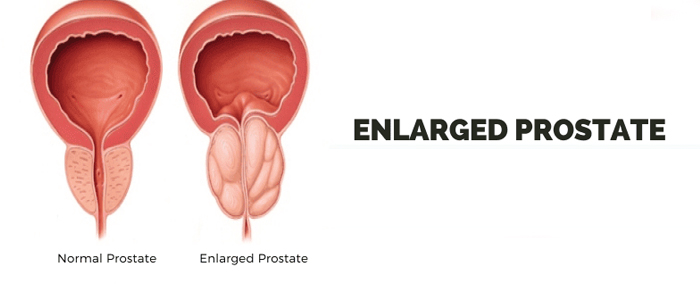
Prostate enlargement, medically known as Benign Prostatic Hyperplasia (BPH), is a common condition in men, especially after the age of 50. As the prostate gland enlarges, it presses against the urethra and affects urine flow. Treatment for prostate enlargement focuses on relieving symptoms, improving urine flow, preventing complications, and enhancing overall quality of life. The approach may vary depending on the severity of symptoms, prostate size, age, overall health, and patient preference.
For mild symptoms, doctors often begin with lifestyle modifications. These may include reducing caffeine and alcohol intake, limiting fluid consumption at night, avoiding spicy foods, and practicing bladder training techniques to improve control. Regular exercise and maintaining a healthy weight can also reduce pressure around the bladder and improve symptoms naturally.
When symptoms become moderate to severe, medications are typically the first line of treatment. Alpha-blockers such as tamsulosin or silodosin help relax the muscles around the bladder neck, allowing urine to flow more easily. These medicines provide quick relief within days. 5-alpha reductase inhibitors like finasteride or dutasteride are used to shrink the prostate over time and are particularly helpful in men with significantly enlarged prostates. Sometimes, a combination of both medications is recommended for better results. For patients experiencing bladder overactivity, anticholinergic or beta-3 agonist medicines may also be added.
If medications do not provide adequate relief or if the prostate is very large, minimally invasive procedures or surgery may be advised. Procedures like UroLift, Rezūm water vapor therapy, or laser treatments help reduce obstruction with minimal downtime. These modern techniques are safe, effective, and often performed as day-care procedures.
For more advanced cases, surgical options such as TURP (Transurethral Resection of the Prostate), HoLEP (Holmium Laser Enucleation of Prostate), or Open Prostatectomy are considered. These treatments remove or reduce excess prostate tissue to relieve blockage. TURP is the most commonly performed surgery and offers long-term relief. HoLEP is especially effective for very large prostates and is known for low bleeding risk and quick recovery.
Prostate enlargement is not cancer, but it can significantly impact quality of life if untreated. Early consultation with a urologist, regular monitoring, and timely intervention can help prevent complications such as urinary retention, bladder stones, or kidney damage. With a wide range of treatment options available today, most men achieve excellent symptom relief and a comfortable, healthy life.