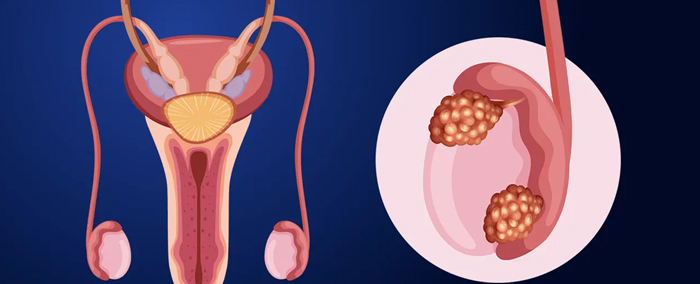
Testicular cancer occurs in the testicles, the male reproductive glands responsible for testosterone production and sperm formation. Although relatively rare, it is the most common cancer in young men aged 15 to 40. Testicular cancer is highly treatable, especially when detected early, with excellent cure rates even in advanced stages.
Most testicular cancers start in germ cells, which produce sperm. These cancers are categorized into seminomas and non-seminomas. Seminomas tend to grow slowly and respond well to radiation and chemotherapy. Non-seminomas are more aggressive but also treatable with modern therapies.
Risk factors include undescended testicles (cryptorchidism), family history, previous testicular cancer, HIV infection, and certain genetic conditions. However, many men with testicular cancer have no clear risk factor. Awareness and regular self-examination are key to early detection.
Symptoms usually begin with a painless lump or swelling in one testicle. Some men may experience a dull ache in the lower abdomen or groin, a feeling of heaviness in the scrotum, or sudden fluid accumulation. Pain is not always present, which is why lumps should never be ignored. In advanced stages, symptoms may include back pain, shortness of breath, breast tenderness (due to hormonal effects), or weight loss.
Diagnosis includes scrotal ultrasound, blood tests for tumor markers (AFP, β-hCG, LDH), CT scans, and physical examination. Unlike other cancers, testicular tumors are usually not biopsied because of the risk of spreading cancer cells. Instead, treatment often begins with surgical removal of the affected testicle (orchiectomy), which also provides a definitive diagnosis.
Treatment depends on the type and stage of cancer. Early-stage seminomas may be treated with radiation or surveillance alone, while non-seminomas typically require chemotherapy. Advanced testicular cancer often responds well to combination chemotherapy, sometimes followed by surgery to remove residual masses. Fertility preservation is an important consideration, and sperm banking is often recommended before treatment.
Testicular cancer has one of the highest survival rates of any cancer, especially when detected early. Regular testicular self-exams and prompt medical evaluation of any abnormalities are essential. Maintaining a healthy lifestyle, managing risk factors, and staying aware of symptoms help ensure timely detection and successful treatment.