Reduced urine flow, also known as a weak urinary stream, occurs when the force and volume of urine passing out of the body decreases. This condition can affect both men and women, though it is far more common in men, especially those above 50 years. A weak stream may indicate an obstruction, decreased bladder muscle strength, nerve dysfunction, or underlying medical conditions that require attention. Early diagnosis is crucial to prevent complications such as urinary retention, infections, or kidney damage.
In men, the most common cause of reduced urine flow is benign prostate enlargement (BPH). As the prostate grows, it can compress the urethra, narrowing the passage for urine and causing difficulty starting urination, dribbling, or a feeling of incomplete emptying. Prostate infections or prostate cancer may also lead to similar symptoms. In women, reduced flow can result from bladder prolapse, urethral stricture, pelvic floor weakness, or neurological conditions affecting bladder control.
Symptoms associated with reduced flow include straining to urinate, intermittent flow, dribbling at the end, prolonged urination time, and frequent night-time urination. Some individuals may experience pain, burning, or urinary retention. If urine stays in the bladder for too long, bacteria can grow, leading to infections. Persistent obstruction can eventually affect kidney function.
Several factors contribute to weak flow: aging, dehydration, long-term holding of urine, constipation, bladder muscle weakness, enlarged prostate, urinary stones, strictures, tumors, diabetes, spinal injuries, and certain medications. Women who have undergone pelvic surgery or childbirth may also develop weak bladder muscles that affect flow.
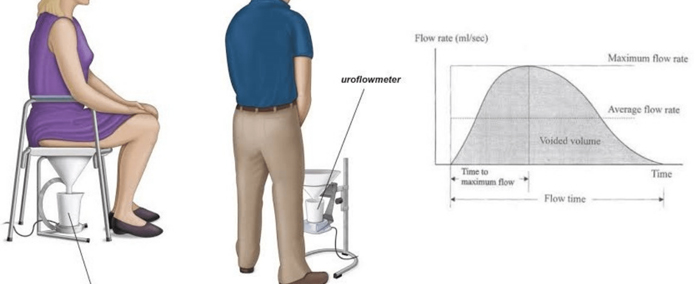
Diagnosis typically includes a urine test to check for infection, ultrasound to examine the bladder and kidneys, a prostate evaluation for men, a pelvic exam for women, and uroflowmetry to measure urine speed. Cystoscopy may be recommended to visualize the urethra and bladder for structural problems.
Treatment varies depending on the cause. Men with prostate enlargement may receive medications to relax prostate muscles or shrink the gland. In severe cases, minimally invasive procedures such as laser therapy or TURP may be required. For bladder muscle weakness, behavioral training, pelvic floor exercises, and medications may help. If a urethral stricture is present, dilation or surgery may be needed.
Lifestyle changes such as drinking adequate fluids, managing diabetes, avoiding constipation, and reducing caffeine can improve symptoms. With timely treatment, reduced urine flow can be effectively managed, restoring comfort and preventing complications.